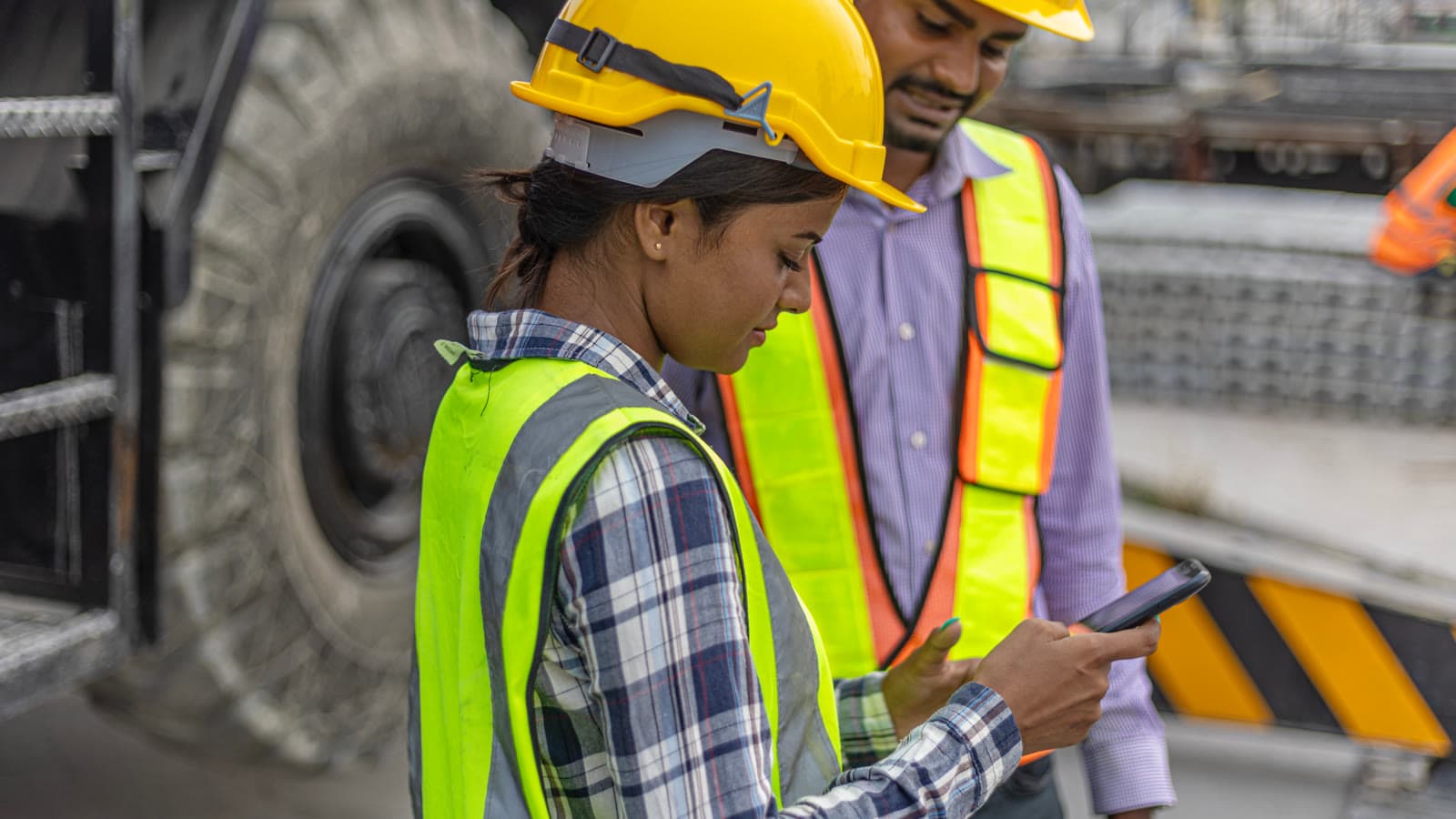
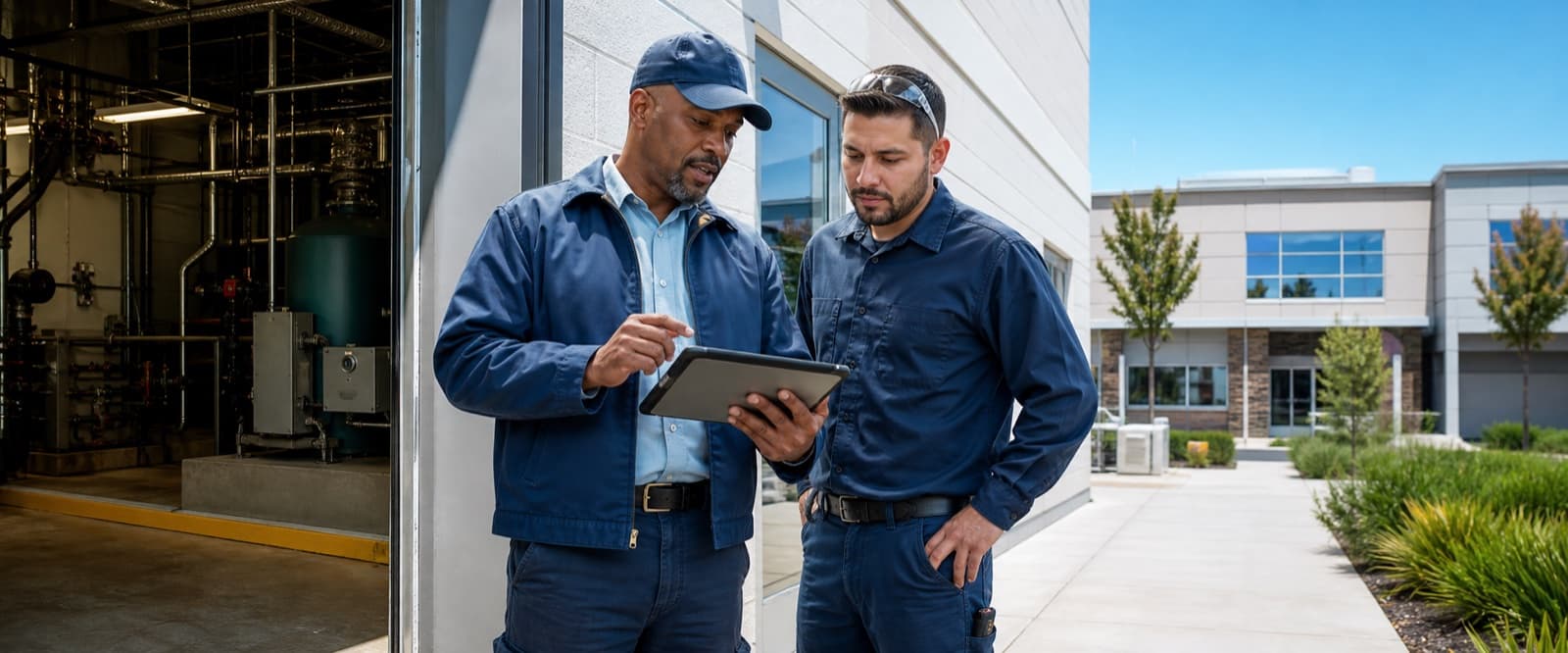
The rollout starts with one fleet type, usually the haul trucks, and the existing pre-start card converted item for item. Maintenance, safety and operations agree which items count as affecting safety, following the manufacturer's guidance and the mine's own procedures. That classification is the most important decision in the project, because it determines what stops a unit and what becomes priority work.
QR tags go inside each cab, where the operator sees them when climbing in, on a surface that survives dust, vibration and washdown. Training happens at the go-line during shift-start meetings, by doing a real pre-start on a real unit. For the first couple of weeks the cards stay in the cab as a fallback, while supervisors check that defects are reaching the workshop as work orders and that operators can see open defects when they scan in.
Maintenance agrees how pre-start work orders are triaged against the rest of the workload, and who decides when a unit returns to service. Once the haul fleet is running smoothly, loaders, dozers, water carts and light vehicles follow, each with a form that matches its own pre-start card.